How to Turn Pet Care Notes Into a Vet Visit Summary
Prepare a clear vet visit summary from everyday pet notes. Organize dates, questions, food details and existing records without guessing missing facts.
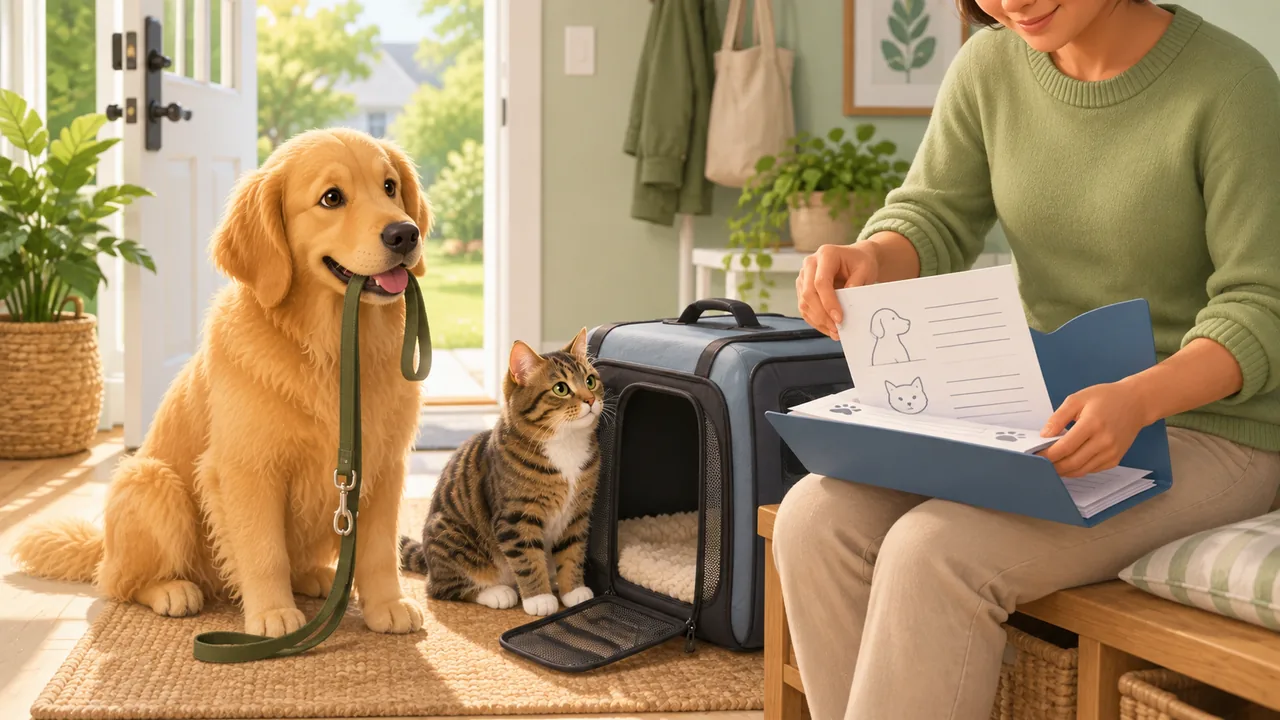
A Useful Starting Point
You may have useful information scattered across a notebook, phone photos, a calendar and messages from someone who cares for your pet. Preparing for an appointment does not mean copying every item into a long report. Start with the reason for the visit, then make the relevant original information easy to find.
The outline below is an organizational suggestion, not a clinical form. A short summary can sit alongside your records, but it should not replace the clinic's questions, examination or medical history.
Put Your Main Question First
Write one sentence explaining what you want help with. Use your own words rather than choosing a diagnosis. “I have noticed a change and would like advice” leaves room for an assessment; a heading that already names a disease can make your notes less neutral.
Under that sentence, list the questions you most want answered. Keep practical questions, too: what information should you record next, and whom should you contact if you have concerns after the appointment? Do not infer a follow-up plan from an old message that may no longer apply.
Build a Short, Dated Sequence
Select entries relevant to the question and put them in date order. Keep observations separate from interpretations. “Left food in the bowl” is an observation; “dislikes this diet” is an explanation you may not be able to establish.
Preserve uncertainty. “First noticed on September 12” does not mean “started on September 12.” A note entered on September 15 may describe an event from an earlier day. If you correct an entry, retain enough context to show what changed rather than silently rewriting the history.
For dog wellness visits, AAHA guidance emphasizes useful history and communication between the owner and veterinary team. Your home notes can support that conversation without becoming the medical record itself. (AAHA wellness-visit guidance)
Keep Supporting Material Separate
Ask the clinic how to provide previous clinical records, especially if this is a new practice. Prepare an accurate list of medications and supplements from current labels or veterinary instructions, along with your questions and relevant photos or videos. Do not reconstruct a dose from memory or from an AI summary. (Zoetis appointment preparation)
For food-related discussions, ask whether the clinic uses a diet-history form. WSAVA offers professional nutrition tools that the veterinary team may choose to use. Your everyday diary and the clinic's requested form have different purposes. (WSAVA nutrition resources)
Label each attachment with a date and a short description. “Video: walking into the kitchen, September 14” is easier to identify than a phone-generated filename. Avoid adding a conclusion to the label that the video cannot establish.
A One-Page Outline
Copy these headings into a note and leave unknown fields visibly unknown. This outline is not an official veterinary template.
A fictional entry might read: “September 14, evening: Sam reported that Milo left some food. I did not see that meal; the amount is unknown.” It communicates what is known without turning someone else's message into a precise measurement.
Check the Summary Against the Originals
Read every date, unit and statement once more. If a tool helped shorten the notes, compare its output with the source entries. A polished sentence can still contain the wrong date, merge two pets' records or change “not recorded” into “did not happen.” Remove any claim you cannot trace back to an observation or an identified source.
Keep personal information unrelated to the appointment out of what you share. Confirm that all entries belong to the correct pet. Bring access to the originals so the summary does not become the only version available.
Finish with the Actual Plan
After the visit, record the instructions you received and clarify anything you do not understand with the clinic. Distinguish the veterinary team's advice from your own reminders. An appointment in a calendar is a plan; it is not evidence that the visit or treatment took place.
The summary is useful when it makes the conversation clearer, not when every field is filled. If you are concerned your pet needs urgent help, contact a veterinarian rather than waiting to finish a document.